Free to browse — sign up to save progress & learn live with a tutor.Get started Are you a tutor? Earn by teaching →
Materials
Student view Learn with a tutor

smalltalkconversationb1
Small Talk
B1en35 min
What you'll learn
- Talk about small talk with confidence.
- Read and understand passages about small talk.
Tips for this lesson
- Repeat new words out loud several times.
- Try to use today's vocabulary in your own sentences.
- Don't worry about mistakes — they help you learn!
Step 1 of 9
1Warm-up
Vocabulary
Learn the following words and repeat after your tutor.
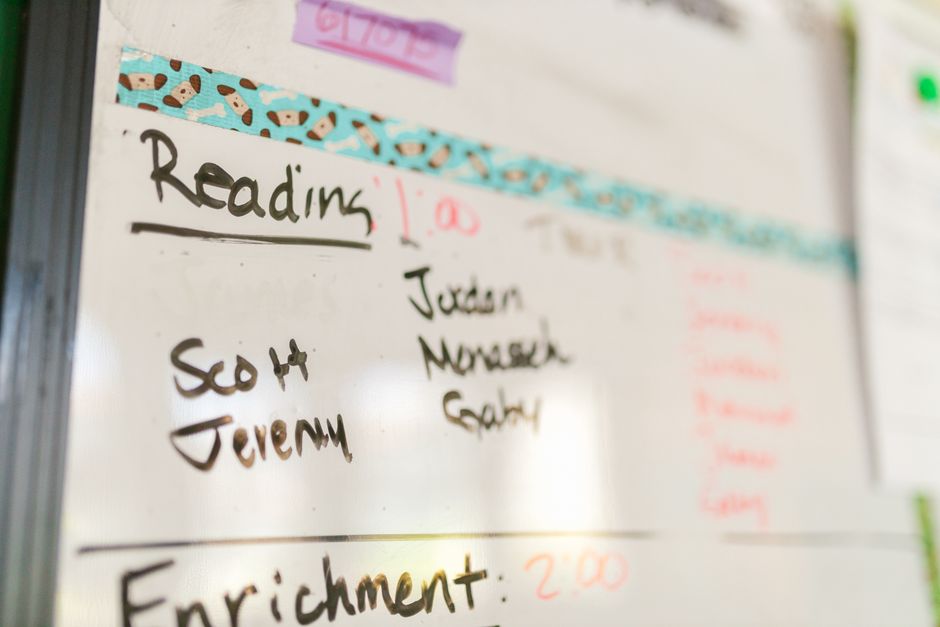 routine/ruːˈtiːn/noun
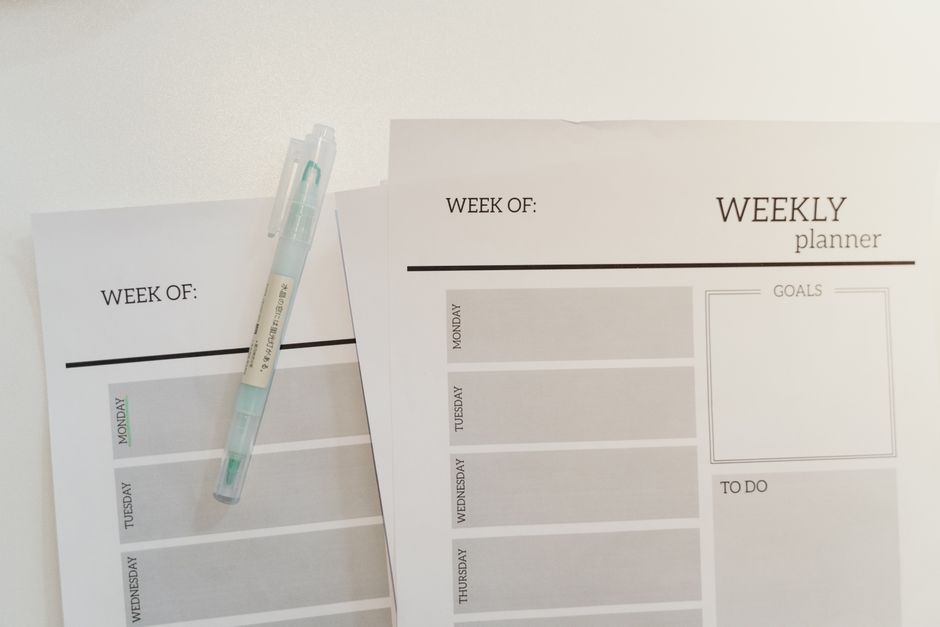 schedule/ˈʃedjuːl/noun
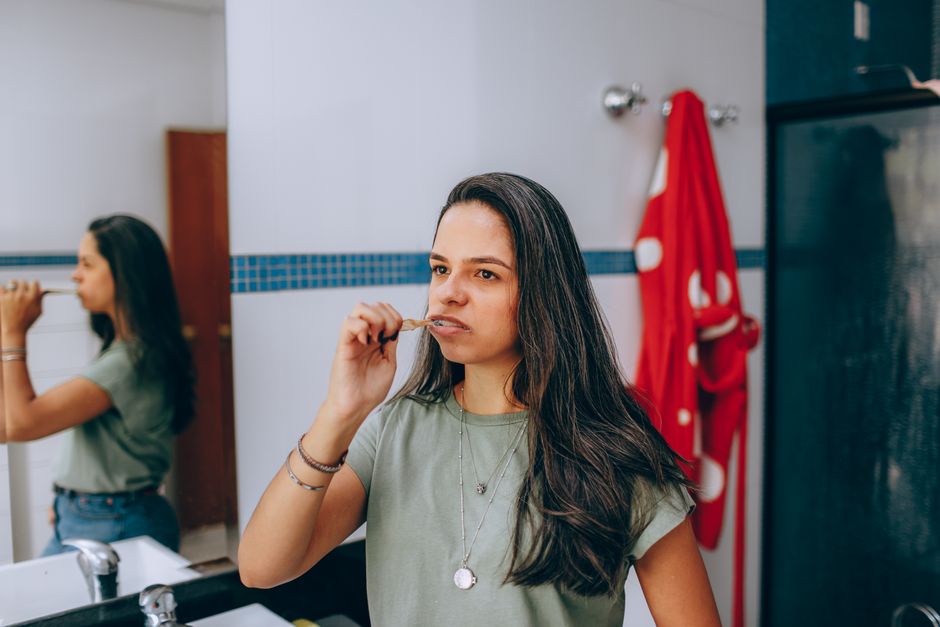 habit/ˈhæbɪt/noun
 manage/ˈmænɪdʒ/verb
 small/small/noun
 discuss/dɪˈskʌs/verb
Step 2 of 9
2Vocabulary
Vocabulary in Context
Study each word and its example. Try to use it in your own sentence.
- routine/ruːˈtiːn/noun
- schedule/ˈʃedjuːl/noun
- habit/ˈhæbɪt/noun
- manage/ˈmænɪdʒ/verb
- small/small/noun
- discuss/dɪˈskʌs/verb
Step 3 of 9
3Fill the blanks
Practice Conversation
Complete the dialogue with your own answers.
Teacher
Let's talk about small talk. What do you think?
Student
I think small talk is very interesting.
Teacher
Can you tell me more? Give me an example.
Student
For example, I often...
Teacher
That's great! How about in your daily life?
Student
In my daily life, I...
Step 4 of 9
4Read aloud
Read Aloud
Read your lines aloud with your tutor. Pay attention to pronunciation.

A conversation about small talk.
You: student · Tutor: tutor
Teacher
Today we're discussing small talk. What's your experience with it?
Student
Well, I've always been interested in small talk. I think it's quite relevant.
Teacher
Can you elaborate on why you find it relevant?
Student
Certainly. In my opinion, small talk affects our daily lives in many ways.
Teacher
That's a good point. Would you say it's more positive or negative?
Student
I'd say it has both positive and negative aspects. On one hand...
Step 5 of 9
5Q&A drill
Comprehension Questions
Match each question with the correct answer.
- Q1What is small talk about?A____________
- Q2Why is this topic useful?A____________
- Q3How can you practise this at home?A____________
- Q4What should you remember from this lesson?A____________
Step 6 of 9
6Fill the blanks
Extended Practice
Fill in the blanks with appropriate words or phrases.
Teacher
Have you ever thought about small talk?
Student
Yes, I have. I believe that ___
Teacher
Interesting. What would you change about it?
Student
I would change ___
Teacher
And why is that important to you?
Student
It's important because ___
Step 7 of 9
7Word order
Word Order
Put the words in the correct order to make a sentence.
Example
English.learningamI→I am learning English.
- Sentence 1Tap the words below to build the sentence.
- Sentence 2Tap the words below to build the sentence.
- Sentence 3Tap the words below to build the sentence.
Step 8 of 9
8Picture prompts
Picture Discussion
Look at the images and answer the questions.
Ex. What can you see in this picture?
 #1
#1Describe what you see in this picture about small talk.
 #2
#2What is happening in this image?
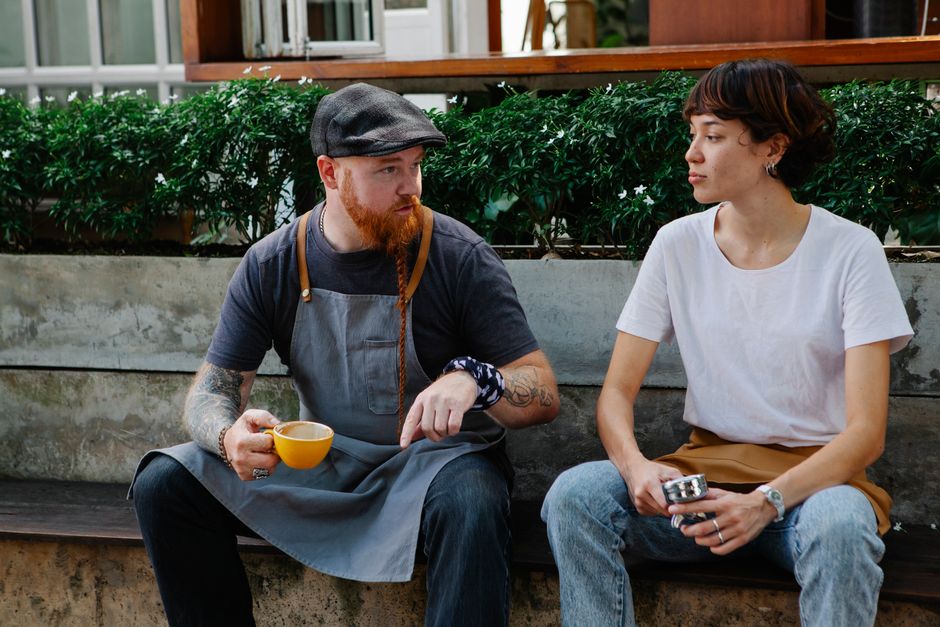 #3
#3How does this picture relate to today's topic?
Step 9 of 9
9Speak freely
Discussion
Discuss these questions with your tutor. Try to give detailed answers.
- 1.What are the advantages and disadvantages of small talk?
- 2.How has small talk changed in recent years?
- 3.What advice would you give someone learning about small talk?
- 4.How is small talk different in your country compared to English-speaking countries?