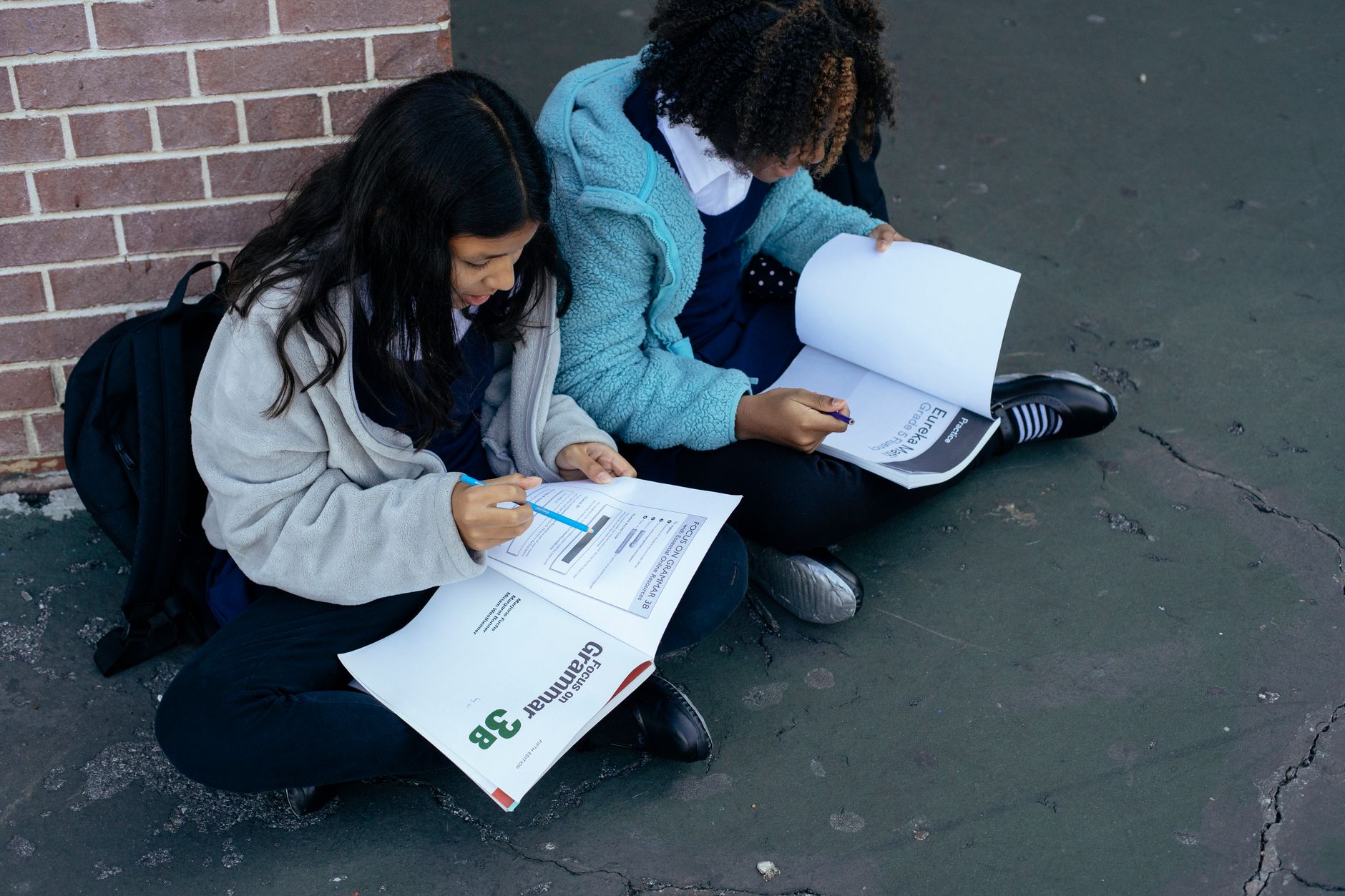
Je me lève à sept heures. Je me lave et je m'habille vite. Mon frère se réveille plus tard. Nous nous couchons vers minuit.
Reflexive verbs
Les verbes pronominaux
What you'll learn
- Talk about daily routine
- Place the reflexive pronoun correctly
- Form the reflexive passé composé
Tips for this lesson
- The reflexive pronoun (me/te/se...) always matches the subject and goes right before the verb.
- Reflexive verbs describe an action you do TO YOURSELF: se laver = to wash oneself.
- In the passé composé, ALL reflexive verbs use être, and the participle usually agrees.
In context
Read. Notice a small extra word (me/te/se...) before each verb — that's the reflexive pronoun.
The pattern — reflexive pronoun + verb
The reflexive pronoun matches the subject and always sits directly before the verb.
Reflexive (pronominal) verbs describe an action the subject does to themselves — se lever (to get oneself up), se laver (to wash oneself), s'habiller (to dress oneself). Each subject pronoun pairs with its own reflexive pronoun (me, te, se, nous, vous, se), which goes directly before the conjugated verb. Before a vowel, me/te/se elide to m'/t'/s'. Crucially, the reflexive pronoun cannot be dropped — "je lève" (I raise [something]) is a completely different, incomplete sentence from "je me lève" (I get up).
| Pronoun | Reflexive pronoun | se lever |
|---|---|---|
| je | me (m') | je me lève |
| tu | te (t') | tu te lèves |
| il / elle / on | se (s') | il se lève |
| nous | nous | nous nous levons |
| vous | vous | vous vous levez |
| ils / elles | se (s') | ils se lèvent |
| Common reflexive verb | Meaning |
|---|---|
| se lever | to get up |
| se laver | to wash (oneself) |
| s'habiller | to get dressed |
| se coucher | to go to bed |
| se réveiller | to wake up |
| s'appeler | to be named/called |
Je m'appelle Marie.
My name is Marie.
Literally 'I call myself Marie' — a fixed reflexive expression.
Nous nous levons tôt.
We get up early.
nous appears twice — once as subject, once as reflexive pronoun.
Elle s'habille vite.
She gets dressed quickly.
se → s' before the vowel in habille.
Ils se couchent tard.
They go to bed late.
Erreurs fréquentes
- Je lève à sept heures.Je me lève à sept heures.
Never drop the reflexive pronoun — 'je lève' alone means 'I raise [something]', not 'I get up'.
- Il lève tôt.Il se lève tôt.
Without se, this would mean 'he raises [something]' — completely different from 'he gets up'.
- Je habille vite.Je m'habille vite.
me elides to m' before the vowel in habille — don't skip the pronoun or the elision.
Exceptions & à retenir
Reflexive passé composé always uses être
Unlike regular verbs (mostly avoir) or the small DR MRS VANDERTRAMP group, EVERY reflexive verb uses être in the past: je me suis levé(e), elle s'est habillée, ils se sont couchés — with the same agreement rule as A2-02.
Some verbs change meaning when reflexive
appeler (to call someone) vs s'appeler (to be named); amuser (to amuse someone) vs s'amuser (to have fun) — the reflexive form often has a distinct, idiomatic meaning.
Reflexive pronoun order with negation
The reflexive pronoun stays glued to the verb inside the ne...pas sandwich: je ne me lève pas tôt (not je me ne lève pas). ne comes before the pronoun+verb block.
Astuces & mémo
- Treat the reflexive pronoun as glued to the verb — say them together as one chunk: je-me-lève, tu-te-lèves, il-se-lève.
- se lever, se coucher, se laver, s'habiller, se réveiller together tell the story of a daily routine — learn them as a set.
- In the passé composé, ALL reflexive verbs use être (not avoir) — je me suis levé(e), and the participle usually agrees with the subject.
Match the reflexive pronoun
Match each subject pronoun to its reflexive pronoun.
- Q1jeA____________
- Q2tuA____________
- Q3il, elle, onA____________
- Q4nousA____________
- Q5vousA____________
- Q6ils, ellesA____________
Guided practice — add the reflexive pronoun
Complete each sentence with the correct reflexive pronoun.
Build the sentence
Put the words in the correct order.
- Sentence 1Tap the words below to build the sentence.
- Sentence 2Tap the words below to build the sentence.
- Sentence 3Tap the words below to build the sentence.
- Sentence 4Tap the words below to build the sentence.
Produce it
Describe your daily routine using at least four reflexive verbs.
- 1.À quelle heure vous levez-vous ?
- 2.Comment se passe votre matin ?
- 3.À quelle heure vous couchez-vous ?