Executive Communication represents one of the more intellectually demanding areas of contemporary discourse. The nuances inherent in this subject require not only a sophisticated command of vocabulary and grammar, but also the ability to navigate ambiguity, construct layered arguments, and engage with abstract concepts at a level approaching that of an educated native speaker.
Free to browse — sign up to save progress & learn live with a tutor.Get started Are you a tutor? Earn by teaching →
Materials
Student view Learn with a tutor

executivecommunicationbusinessc1
Executive Communication
C1en40 min
What you'll learn
- Talk about executive communication with confidence.
- Read and understand passages about executive communication.
Tips for this lesson
- Repeat new words out loud several times.
- Try to use today's vocabulary in your own sentences.
- Don't worry about mistakes — they help you learn!
Step 1 of 7
1Warm-up
Vocabulary
Learn the following words and repeat after your tutor.
 routine/ruːˈtiːn/noun
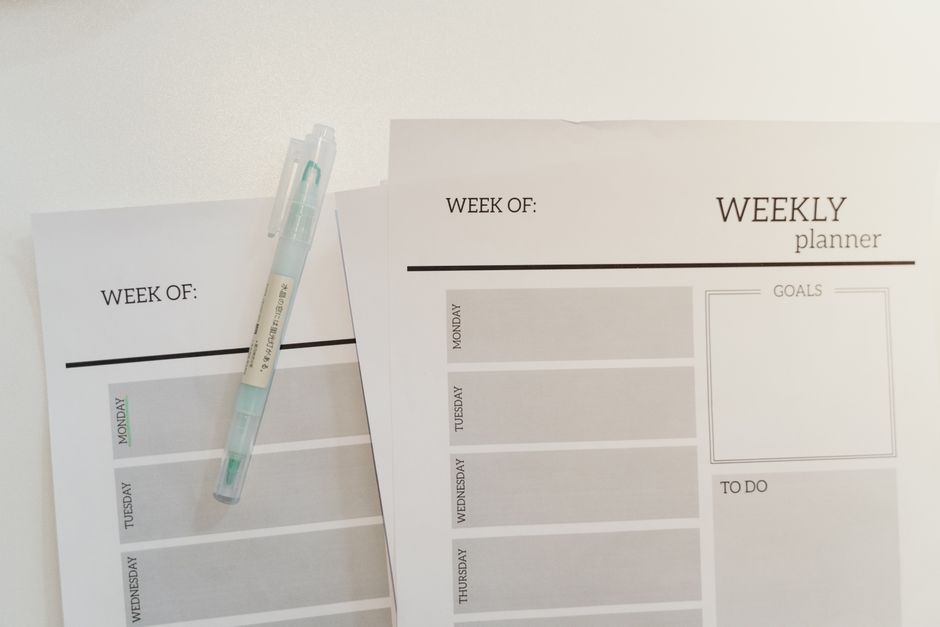 schedule/ˈʃedjuːl/noun
 habit/ˈhæbɪt/noun
 manage/ˈmænɪdʒ/verb
 executive/executive/noun
 discuss/dɪˈskʌs/verb
Step 2 of 7
2Vocabulary
Vocabulary in Context
Study each word and its example. Try to use it in your own sentence.
- routine/ruːˈtiːn/noun
- schedule/ˈʃedjuːl/noun
- habit/ˈhæbɪt/noun
- manage/ˈmænɪdʒ/verb
- executive/executive/noun
- discuss/dɪˈskʌs/verb
Step 3 of 7
3Reading
Executive Communication
Read the passage carefully and answer the questions below.

Comprehension
1.What is the main idea of this passage?
2.Why is this topic important?
3.What should you do with the new vocabulary?
Step 4 of 7
4Fill the blanks
Extended Practice
Fill in the blanks with appropriate words or phrases.
Teacher
Have you ever thought about executive communication?
Student
Yes, I have. I believe that ___
Teacher
Interesting. What would you change about it?
Student
I would change ___
Teacher
And why is that important to you?
Student
It's important because ___
Step 5 of 7
5Read aloud
Read Aloud
Read your lines aloud with your tutor. Pay attention to pronunciation.

A conversation about executive communication.
You: student · Tutor: tutor
Teacher
Today we're discussing executive communication. What's your experience with it?
Student
Well, I've always been interested in executive communication. I think it's quite relevant.
Teacher
Can you elaborate on why you find it relevant?
Student
Certainly. In my opinion, executive communication affects our daily lives in many ways.
Teacher
That's a good point. Would you say it's more positive or negative?
Student
I'd say it has both positive and negative aspects. On one hand...
Step 6 of 7
6Picture prompts
Picture Discussion
Look at the images and answer the questions.
Ex. What can you see in this picture?
 #1
#1Describe what you see in this picture about executive communication.
 #2
#2What is happening in this image?
 #3
#3How does this picture relate to today's topic?
Step 7 of 7
7Speak freely
Discussion
Discuss these questions with your tutor. Try to give detailed answers.
- 1.What are the advantages and disadvantages of executive communication?
- 2.How has executive communication changed in recent years?
- 3.What advice would you give someone learning about executive communication?
- 4.How is executive communication different in your country compared to English-speaking countries?