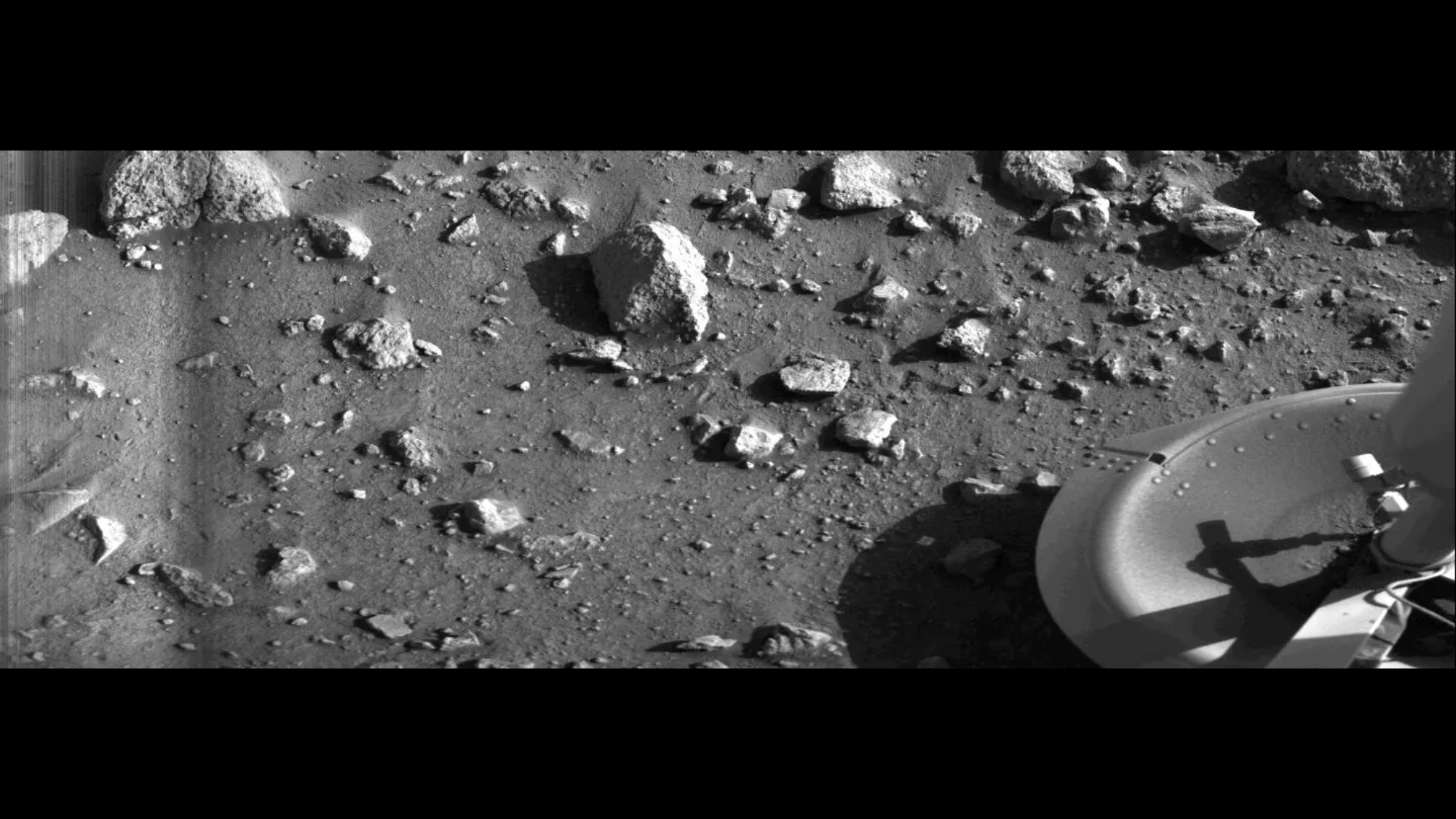
On July 20, 1976, NASA's Viking 1 lander made history by capturing the first-ever photograph of the Martian surface. This significant event marked a major milestone in space exploration. The image, which may look like a simple black-and-white photo of rocks, is actually a groundbreaking moment for science and humanity's understanding of Mars.
The Viking 1 lander touched down on Mars early in the morning, and almost immediately, it took the iconic photo. Before this mission, the Soviet Union had attempted to land on Mars several times, but these efforts were mostly unsuccessful. For instance, the Mars 3 lander managed to land in December 1971 but lost contact just two minutes later.
Unlike its predecessors, Viking 1 not only survived its landing but also exceeded expectations. The mission was designed to last for 90 days, but Viking 1 continued to operate for over six years. It provided valuable data about the Martian environment and worked alongside an orbiter that shared its name. Soon after, Viking 2 joined the mission, creating a comprehensive exploration of Mars.
Fifty years later, the impact of Viking 1's mission is still felt. It opened the door for future explorations and technological advancements. NASA has continuously improved its technology, allowing rovers to explore Mars' surface since the 1990s. Today, we have a wealth of information about the planet, which has transformed our understanding of Mars and its potential for life.
Before Viking 1, the idea of Mars was often shaped by science fiction, such as Ray Bradbury's "The Martian Chronicles." These stories sparked the imagination, but Viking 1 provided the first real look at what Mars is like. This photograph gave scientists concrete evidence of the planet's surface, moving beyond fantasy to reality.
As we celebrate 50 years since this historic moment, it is important to reflect on how far we have come in space exploration. Each achievement builds upon the last, and Viking 1's success was a crucial stepping stone in our journey to understand Mars and the universe. Looking back helps us appreciate the progress we have made and inspires future missions to explore the unknown.