Free to browse — sign up to save progress & learn live with a tutor.Get started Are you a tutor? Earn by teaching →
Oceans Are Losing Oxygen: A Serious Environmental Issue
Daily NewsscienceGizmodo

Oceans Are Losing Oxygen: A Serious Environmental Issue

B1en25 min

What you'll learn

  • Read and understand a current news story in English.
  • Use six news-related vocabulary words in context.
  • Discuss opinions and predictions about a real-world topic.

Tips for this lesson

  • Read once for the main idea before checking vocabulary.
  • Use the discussion questions to practice giving reasons.
  • Open the source link after class if you want more context.
Step 1 of 4
1Vocabulary

Vocabulary

Study these key words before reading — you'll meet them in the article.

  • deoxygenation
    /diːˌɒksɪˈneɪʃən/
    noun
    Deoxygenation of the water can harm fish and other marine life.
    Daily News vocabulary
  • ecosystem
    /ˈiːkoʊˌsɪstəm/
    noun
    The coral reef is a diverse ecosystem that supports many species.
    Daily News vocabulary
  • pollution
    /pəˈluːʃən/
    noun
    Air pollution can lead to serious health problems for people.
    Daily News vocabulary
  • algal bloom
    /ˈælɡəl bluːm/
    noun
    The algal bloom caused the water to turn green and smell bad.
    Daily News vocabulary
  • biodiversity
    /ˌbaɪoʊdɪˈvɜːrsɪti/
    noun
    Protecting biodiversity is essential for maintaining healthy ecosystems.
    Daily News vocabulary
  • temperature
    /ˈtɛmpərətʃər/
    noun
    The temperature of the ocean is rising due to climate change.
    Daily News vocabulary
Step 2 of 4
2Reading

Article

Read the article, then answer the comprehension questions.

Article
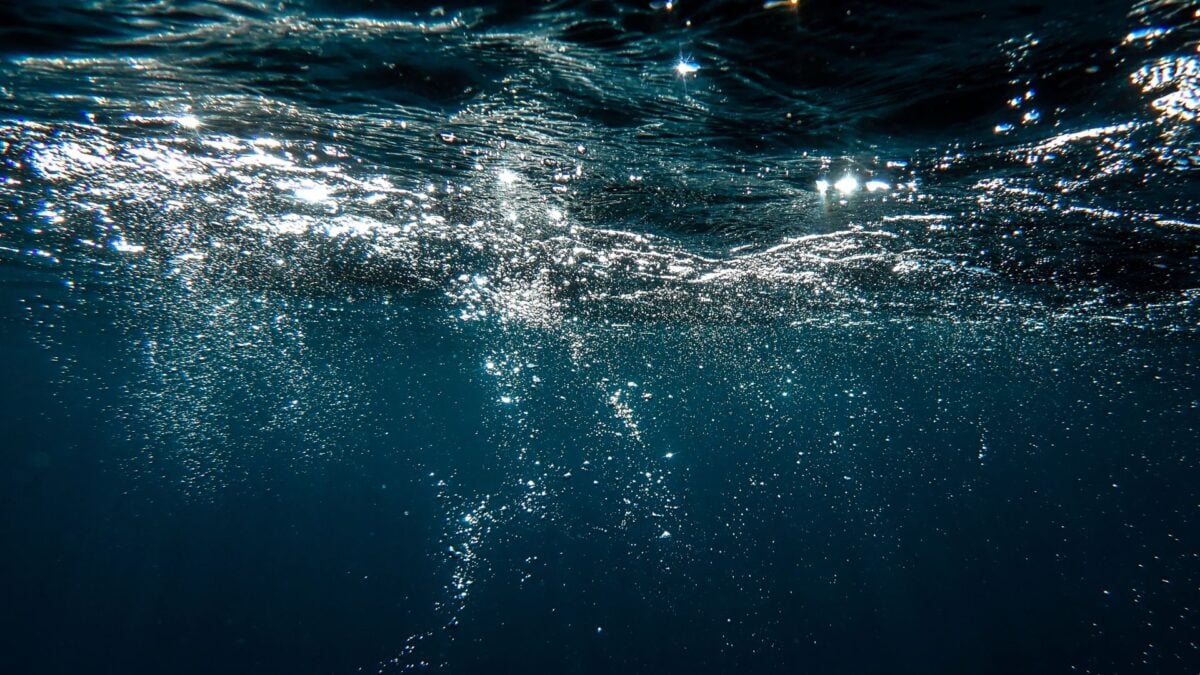
Photo: Gizmodo (source article)

Oxygen is essential for most life forms on Earth, and it is now disappearing from our oceans and other water bodies. Scientists have raised alarms about this issue, stating that it is a serious crisis driven by human activities. A recent study published in the journal Limnology and Oceanography highlights that aquatic deoxygenation should be considered a critical factor in maintaining the planet's health. This study emphasizes that the stability of our planet relies on the health of aquatic ecosystems, which require oxygen to thrive.

The main reason for the loss of oxygen in water is the increase in carbon emissions, which are causing global temperatures to rise. Warmer water holds less dissolved oxygen than colder water. This means that as the temperature of oceans, lakes, and rivers increases, the amount of oxygen available for aquatic life decreases. Additionally, warm surface waters prevent oxygen from mixing with deeper waters, further reducing oxygen levels.

Another factor contributing to this crisis is nutrient pollution. Human activities such as agriculture and industrial processes are adding excessive amounts of nitrogen and phosphorus to water bodies. This leads to algal blooms, which consume oxygen when they decompose. The combination of warming waters and nutrient pollution is creating a dangerous cycle that threatens marine life.

According to scientists, the oceans have already lost about 2% of their dissolved oxygen since the 1950s. They predict that by the end of this century, oxygen levels could drop by an additional 1% to 7%. Although these percentages may seem small, they can have devastating effects on aquatic ecosystems, which rely on stable oxygen levels to survive.

The researchers argue that aquatic deoxygenation should be added to the Planetary Boundaries framework, which outlines nine critical Earth processes that humanity must manage to ensure the planet's stability. They believe that deoxygenation interacts with other issues such as climate change and biodiversity loss, making it an urgent problem that needs attention. The study suggests that scientists should develop indicators to measure the status of aquatic deoxygenation and help define a global boundary for it.

In conclusion, the loss of oxygen in our oceans is a growing environmental crisis that requires immediate action. The researchers hope that by highlighting this issue, they can encourage efforts to protect aquatic ecosystems and ensure a healthier planet for future generations. As lead author Erica Ferrer stated, "The health and stability of our planet depends on the health and stability of aquatic ecosystems."

Comprehension

  1. 1.What is the main cause of oxygen loss in oceans according to the article?

  2. 2.How does warm water affect the amount of dissolved oxygen?

  3. 3.What role does nutrient pollution play in aquatic deoxygenation?

  4. 4.Why do scientists believe that deoxygenation should be added to the Planetary Boundaries framework?

  5. 5.What are some potential consequences of losing oxygen in aquatic ecosystems?

Step 3 of 4
3Speak freely

Discussion

Share your opinions and experiences with your tutor.

  1. 1.What do you think are the most important actions to take against pollution?
  2. 2.Have you noticed any changes in local water bodies or ecosystems?
  3. 3.Why do you think people often overlook the importance of aquatic ecosystems?
  4. 4.How can communities raise awareness about environmental issues like deoxygenation?
  5. 5.What role do you think technology can play in solving environmental problems?
Step 4 of 4
4Speak freely

Further Discussion

Think more deeply about the topic and explain your reasons.

  1. 1.How do you think climate change will affect future generations?
  2. 2.In what ways can individuals contribute to protecting the environment?
  3. 3.What are the ethical responsibilities of countries in addressing global environmental issues?