Free to browse — sign up to save progress & learn live with a tutor.Get started Are you a tutor? Earn by teaching →
Debate Over Viking 1's Discovery of Life on Mars Continues
Daily NewsscienceSpace

Debate Over Viking 1's Discovery of Life on Mars Continues

B1en25 min

What you'll learn

  • Read and understand a current news story in English.
  • Use six news-related vocabulary words in context.
  • Discuss opinions and predictions about a real-world topic.

Tips for this lesson

  • Read once for the main idea before checking vocabulary.
  • Use the discussion questions to practice giving reasons.
  • Open the source link after class if you want more context.
Step 1 of 4
1Vocabulary

Vocabulary

Study these key words before reading — you'll meet them in the article.

  • mission
    /ˈmɪʃən/
    noun
    The mission to Mars was successful in gathering important data.
    Daily News vocabulary
  • analyze
    /ˈænəlaɪz/
    verb
    Scientists will analyze the soil samples from Mars.
    Daily News vocabulary
  • microorganism
    /ˌmaɪkrəʊˈɔːɡənɪzəm/
    noun
    Microorganisms can live in extreme environments.
    Daily News vocabulary
  • data
    /ˈdeɪtə/
    noun
    The data collected from the Viking missions is very valuable.
    Daily News vocabulary
  • evidence
    /ˈɛvɪdəns/
    noun
    There is no clear evidence of life on Mars yet.
    Daily News vocabulary
  • debate
    /dɪˈbeɪt/
    noun
    The debate about life on Mars continues among scientists.
    Daily News vocabulary
Step 2 of 4
2Reading

Article

Read the article, then answer the comprehension questions.

Article
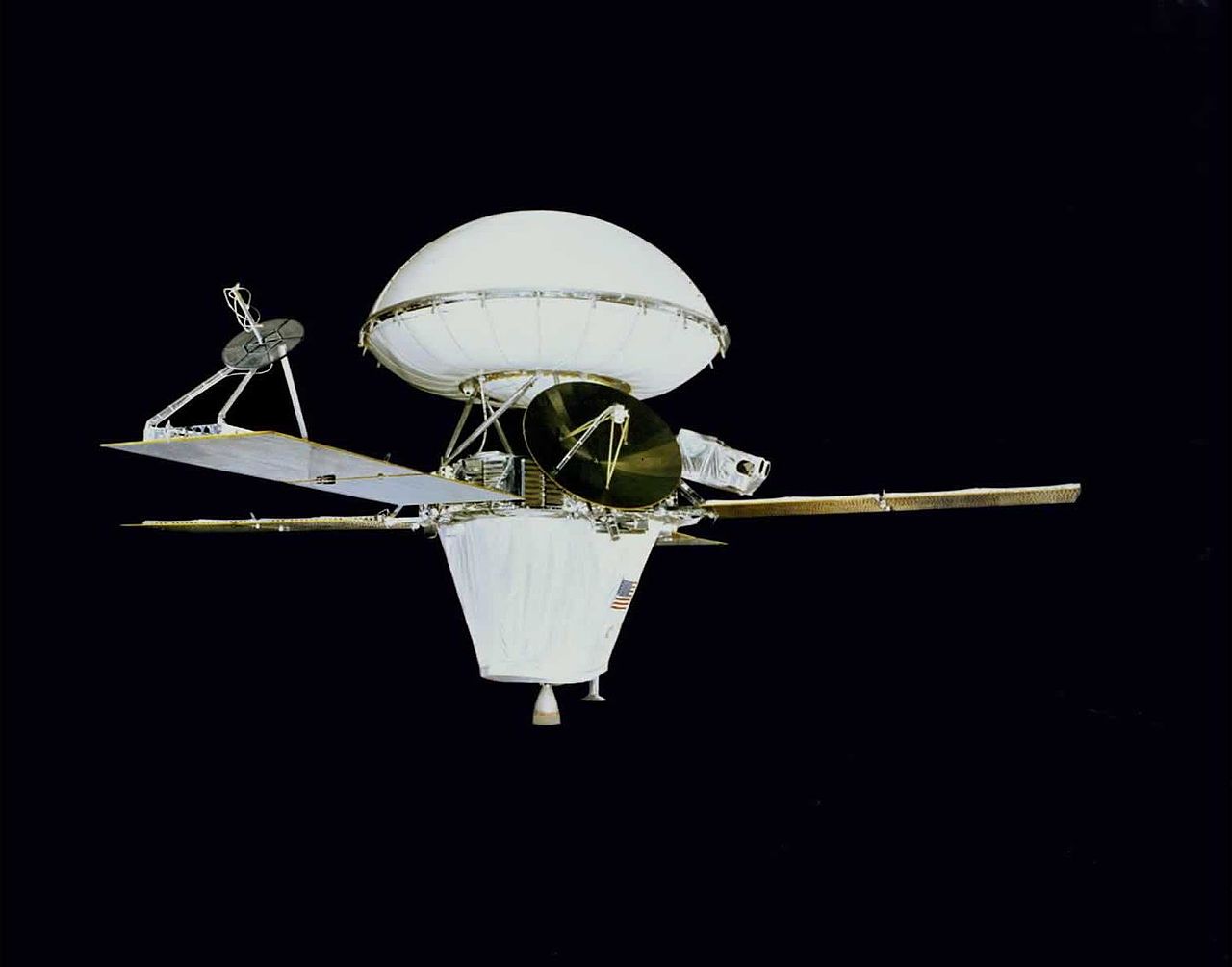
Photo: NASA (Public domain) via Wikimedia Commons

Fifty years ago, NASA's Viking missions to Mars made history. The Viking 1 lander touched down on the Martian surface on July 20, 1976, and began its mission to explore the planet. Along with its twin, Viking 2, the spacecraft collected soil samples to investigate the possibility of life on Mars. Scientists used special instruments to analyze these samples, hoping to find signs of organic materials that could indicate the presence of life.

Initially, most scientists concluded that there was no life on Mars based on the data from the Viking missions. However, some researchers, like astrobiologist Gilbert Levin, believed that one of the experiments had shown a strong response, suggesting that there might be living microorganisms in the Martian soil. This disagreement among scientists continues today, as some argue that the Viking tests did not use the best methods to detect life, and that life could exist just below the surface where conditions might be more favorable.

As new missions to Mars, including rovers, continue to explore the planet, some scientists are revisiting the Viking data. They believe that the original findings may have been misunderstood and that there could be evidence of life on Mars. The debate highlights the importance of preserving the data from the Viking missions, as it contributes to our understanding of Mars and the search for life beyond Earth. Experts emphasize that every piece of data is crucial for solving the larger puzzle of Mars science.

Comprehension

  1. 1.When did the Viking 1 lander touch down on Mars?

  2. 2.What was one of the main purposes of the Viking missions?

  3. 3.Who believed that the Viking experiment found living microorganisms?

  4. 4.What do some scientists argue about the methods used in the Viking tests?

  5. 5.Why is it important to preserve the data from the Viking missions?

Step 3 of 4
3Speak freely

Discussion

Share your opinions and experiences with your tutor.

  1. 1.Do you think there is life on Mars? Why or why not?
  2. 2.What do you find most interesting about space exploration?
  3. 3.How do you feel about the scientific debate over Viking 1's findings?
  4. 4.What other planets do you think could have life?
  5. 5.Why is it important to continue exploring Mars?
Step 4 of 4
4Speak freely

Further Discussion

Think more deeply about the topic and explain your reasons.

  1. 1.How does the search for life on Mars compare to the search for life on other planets?
  2. 2.What role does technology play in our understanding of space?
  3. 3.How can past scientific missions influence future research?